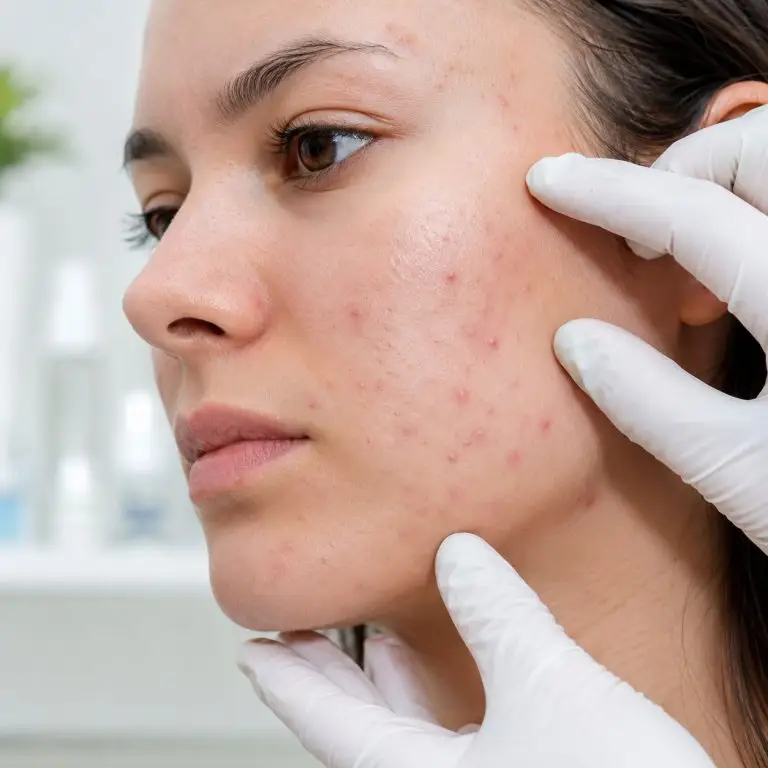
Acne is a common inflammatory skin condition that can affect people of all ages. It most often appears on the face, chest, shoulders and back, where the skin contains more oil-producing glands. Acne can range from occasional blackheads and whiteheads to painful, deep breakouts that may cause scarring or discoloration.
Acne develops when hair follicles become clogged with excess oil and dead skin cells. Bacteria within the clogged follicle can contribute to inflammation, causing redness, swelling, tenderness and pus-filled blemishes.
Hormonal changes can increase oil production, which is why acne commonly begins during puberty. Hormones, genetics, certain medications, stress and skin or hair products may also contribute to breakouts. Acne is not simply caused by dirty skin or poor hygiene.
Acne can appear in several forms, including:
Blackheads and whiteheads: Clogged pores that remain open or closed at the skin’s surface.
Papules and pustules: Red, inflamed bumps that may be tender or contain pus.
Nodules and cysts: Larger, deeper breakouts that can be painful and are more likely to leave scars.
Because different types of acne may require different treatments, a personalized evaluation can help determine the most effective approach.
Acne treatment focuses on clearing clogged pores, reducing oil production, controlling bacteria and inflammation, preventing new breakouts and minimizing the risk of scarring.
Depending on the type and severity of your acne, treatment may include:
Your dermatology provider will recommend a treatment plan based on your skin type, symptoms, medical history and the severity of your acne. Because acne medications take time to work, noticeable improvement may require several weeks of consistent treatment.
Treating acne early can help prevent existing breakouts from worsening, reduce the development of new blemishes and lower the risk of permanent scars and lingering dark spots. Even mild acne may scar, particularly when blemishes are repeatedly picked or squeezed.
Avoid picking, squeezing or popping acne. Although it may provide temporary relief, it can push inflammation deeper into the skin and increase the risk of infection, discoloration, delayed healing and permanent scarring.
Instead, use your prescribed acne treatment consistently and contact your dermatology provider if you develop a particularly large, painful or persistent blemish.
Greasy foods do not automatically cause acne, but some research suggests that foods that rapidly raise blood sugar may worsen breakouts in certain people. A balanced, lower-glycemic diet may be helpful for some patients, although diet is only one possible contributing factor.
Rather than following an overly restrictive diet, pay attention to whether specific foods appear to trigger your breakouts and discuss any concerns with your dermatology provider.
Acne can be frustrating, but effective treatment options are available. The Dermatology Clinic can identify the type of acne affecting your skin and develop a personalized plan to improve breakouts, prevent scarring and help you achieve clearer, healthier-looking skin. Contact us today to get scheduled.
We would love to get started on a solution that perfectly fits your needs.