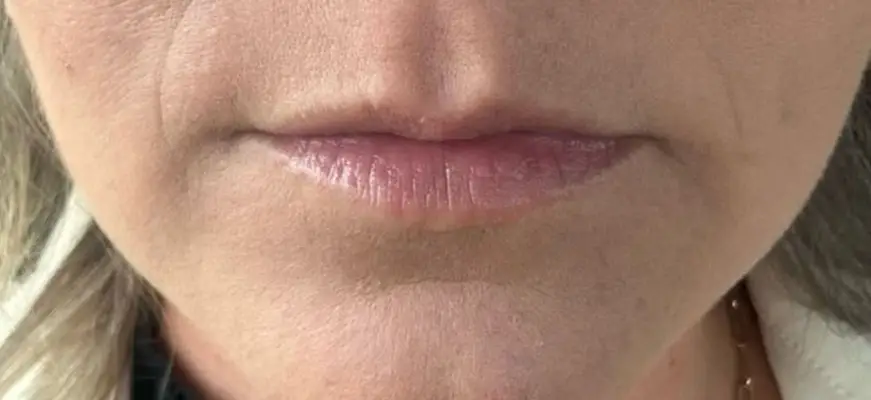

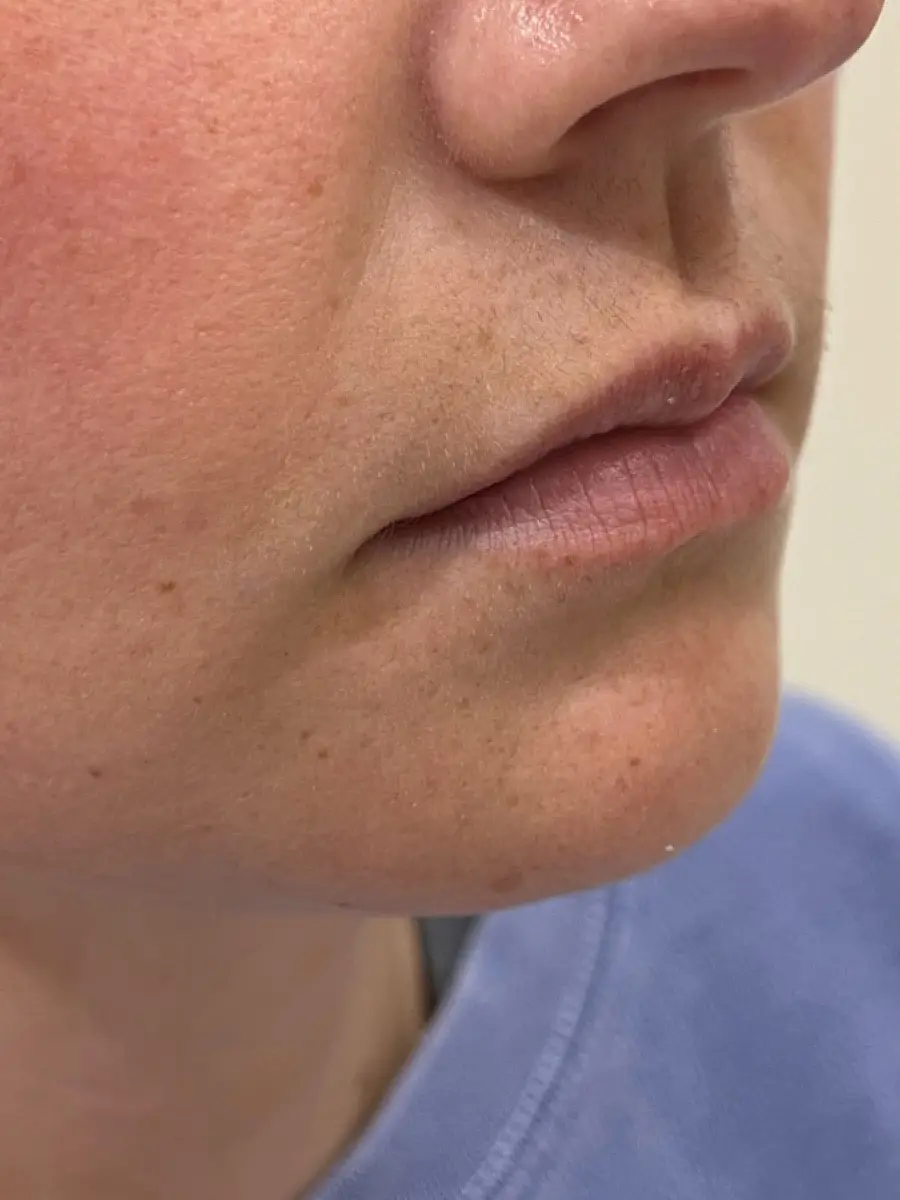
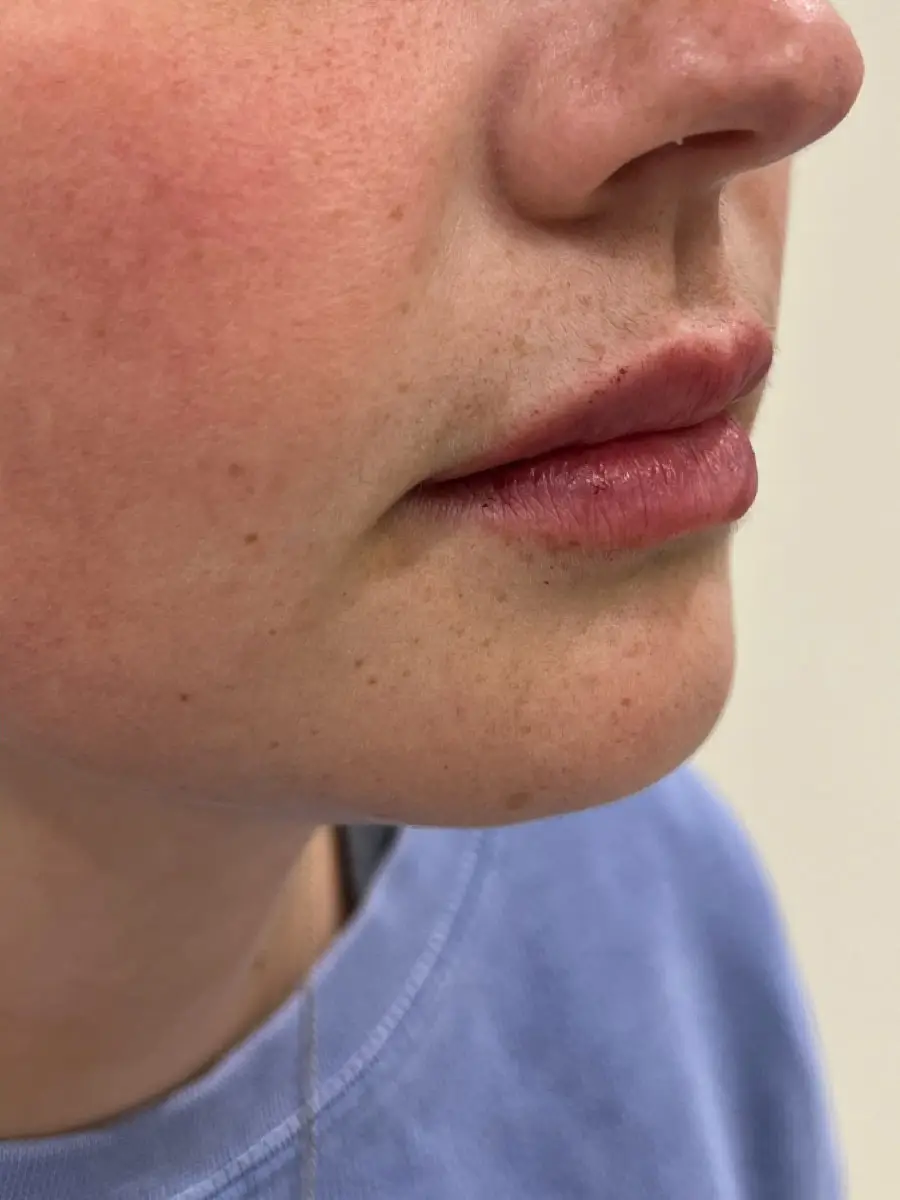
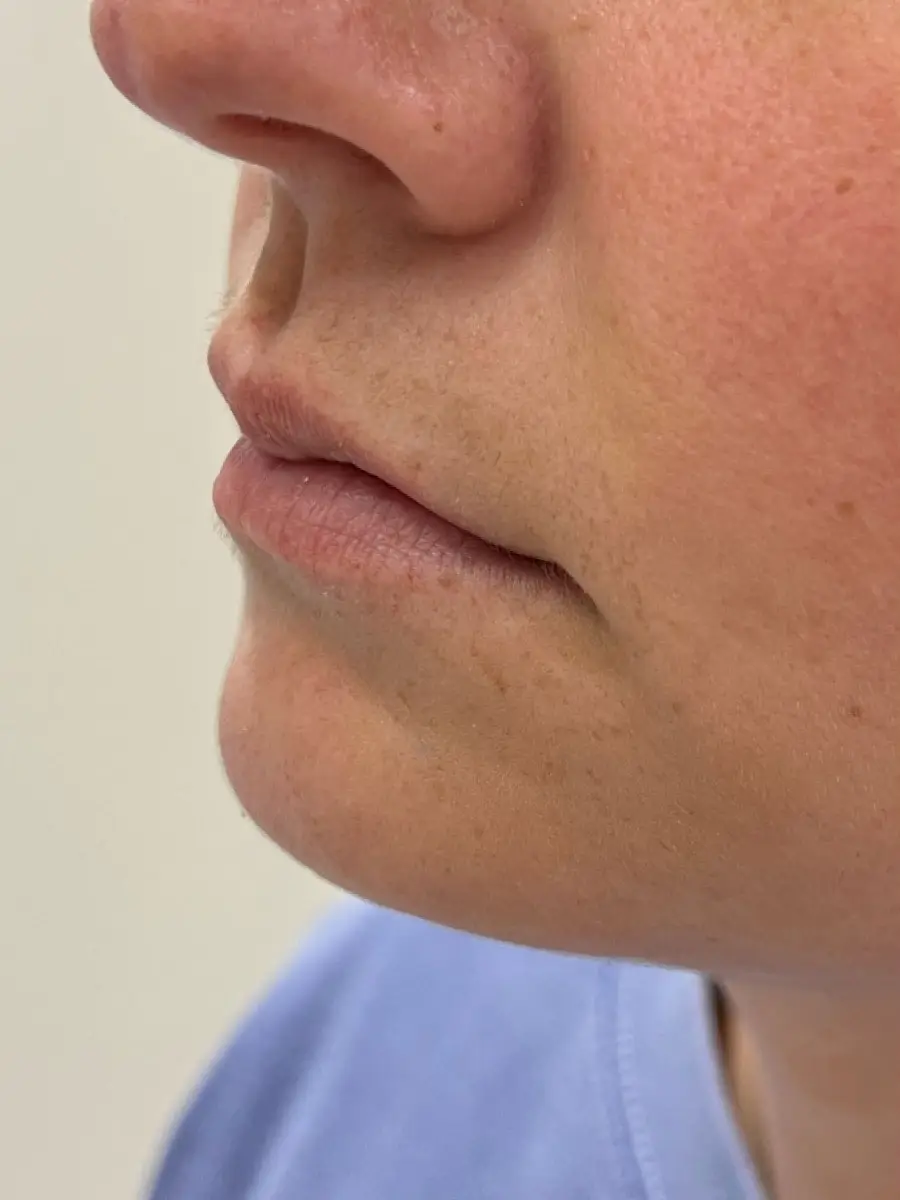
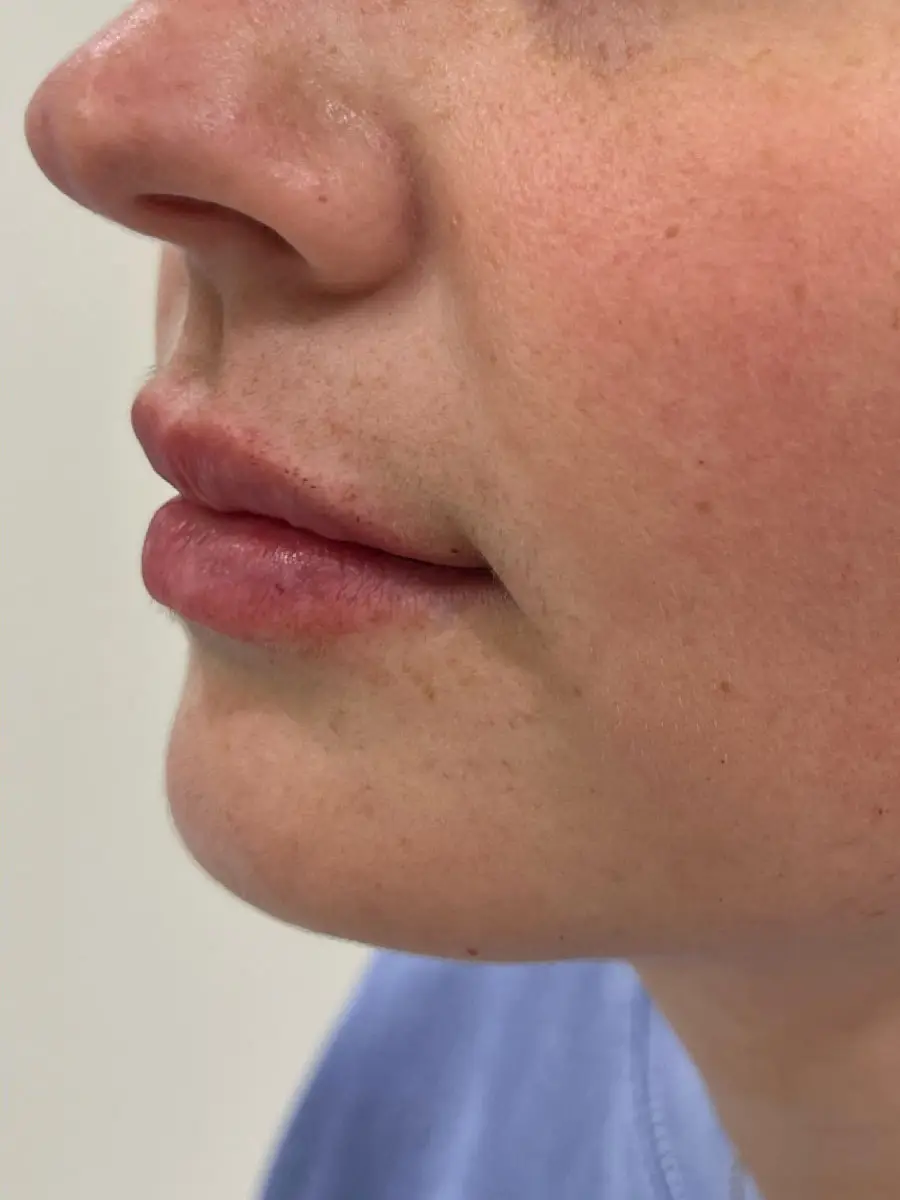


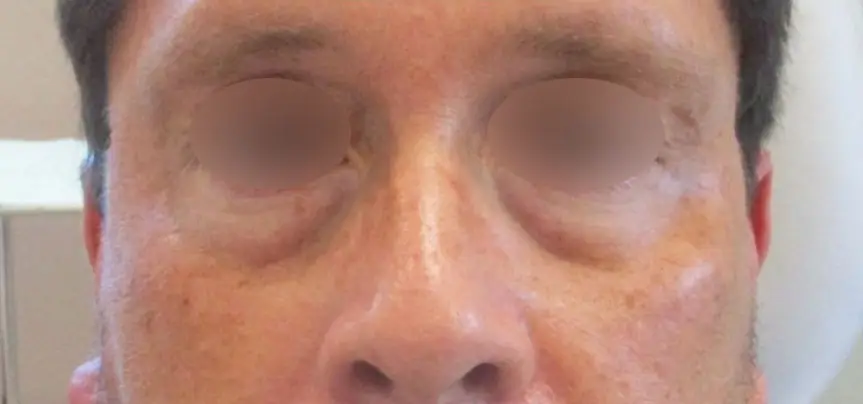
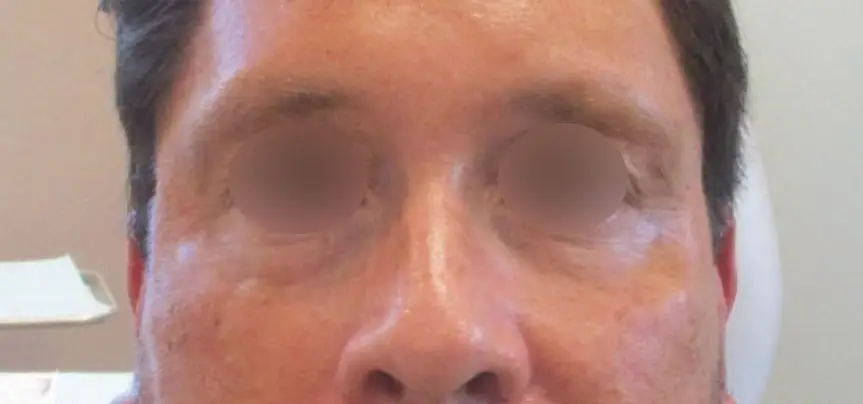
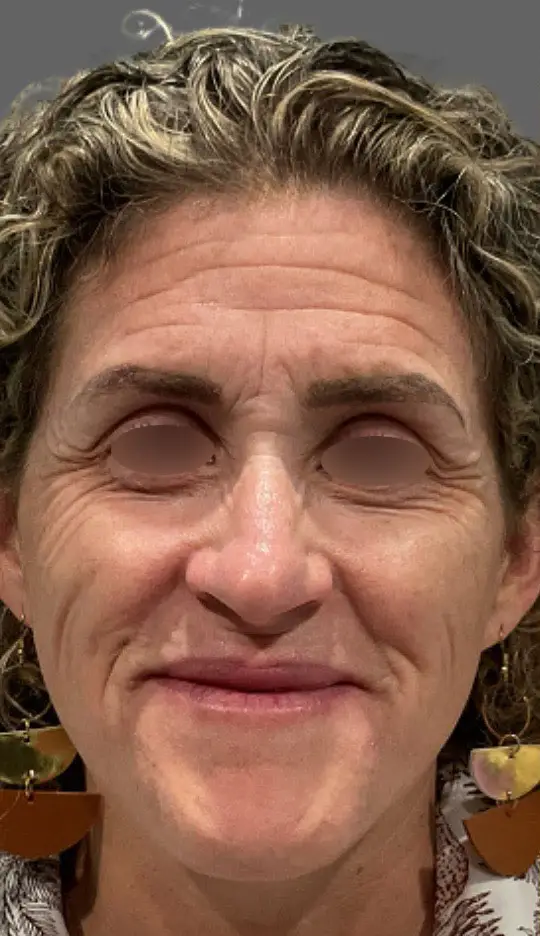
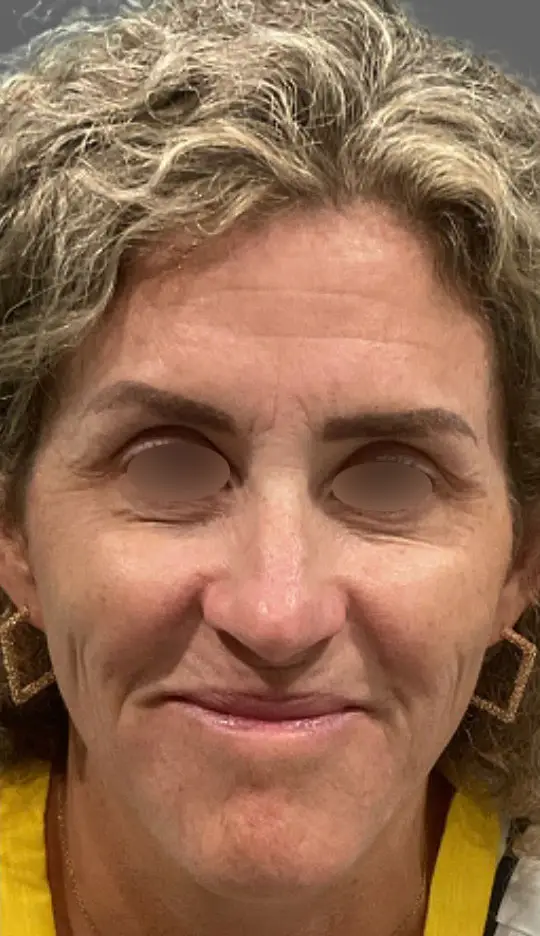
Dermal fillers are injectable treatments used to restore lost volume, soften wrinkles and folds, enhance facial contours and improve balance between facial features. Depending on the product selected, fillers may be used to subtly enhance the lips, support the cheeks, define the chin or jawline, smooth lines around the mouth or rejuvenate the hands.
Many fillers provide visible improvement immediately, although swelling can temporarily affect the appearance of the final result. Treatment is customized to your anatomy and goals so that the outcome looks balanced and natural rather than overfilled.
Fillers are injected beneath or within the skin using a fine needle or cannula. The product adds volume, structure or support in carefully selected areas.
Hyaluronic acid fillers attract and retain moisture while adding volume to the treated tissue. Other fillers, use calcium hydroxylapatite particles suspended in a gel and can encourage new collagen production.
Different products vary in thickness, flexibility, lifting ability and longevity. Your provider will select a filler based on the treatment area, your facial structure, the movement of the surrounding tissue and the type of improvement you want to achieve.
Dermal fillers and botulinum toxin products such as BOTOX® Cosmetic, Dysport® and XEOMIN® improve different types of concerns.
Botulinum toxin reduces the muscle activity responsible for expression lines, such as forehead lines, frown lines and crow’s feet. Fillers add volume or structural support to improve wrinkles, folds, hollow areas and facial contours.
The treatments may be used separately or together when a patient has both muscle-related wrinkles and age-related volume loss.
Depending on the product and its approved uses, fillers may help improve:
Not every filler is appropriate for every area. Your provider will recommend a product designed for the specific tissue depth, movement and level of support required.
The Dermatology Clinic offers several established filler families, allowing treatment to be personalized for different facial areas and aesthetic goals.
Restylane is a collection of hyaluronic acid fillers developed for different treatment areas and levels of facial movement. Depending on the specific product, Restylane may be used to enhance the lips, smooth wrinkles and folds, restore cheek or midface volume, improve chin projection, address temple hollowing or restore volume to the backs of the hands.
Products within the collection vary in firmness and flexibility, allowing your provider to select a filler that provides the appropriate combination of support and natural movement.
JUVÉDERM is a collection of hyaluronic acid fillers formulated for several areas of the face. Different products may be selected to enhance the lips, smooth lines around the mouth, restore cheek or temple volume, improve chin projection, define the jawline or address selected under-eye concerns.
Each product has distinct characteristics, so the recommended option will depend on the treatment area and the amount of structure, softness or movement needed.
The RHA® Collection consists of resilient hyaluronic acid fillers designed to adapt to facial movement. Products within the collection may be used to soften dynamic facial wrinkles and folds, improve lines around the mouth, enhance the lips or restore volume in selected areas.
Because facial areas such as the mouth and cheeks move frequently, these fillers are formulated to provide support while maintaining natural-looking movement and expression.
Before treatment, your provider will evaluate your facial structure, skin quality, movement, symmetry and areas of volume loss. You will discuss the type of result you want and whether filler is the most appropriate option.
The treatment areas will be cleansed and may be marked. Small amounts of filler are then injected using a needle or cannula. Your provider may gently massage or shape the product when appropriate.
The appointment length depends on the number of areas being treated and the amount of product required.
Most patients experience mild to moderate discomfort. Injections may feel like a brief pinch, pressure, stinging or fullness beneath the skin.
Many fillers contain lidocaine to improve comfort during treatment. Topical numbing medication, ice or local anesthetic may also be used depending on the area and product selected.
The lips and areas around the mouth tend to be more sensitive than the cheeks or jawline.
Many fillers create visible improvement immediately. However, swelling, firmness or bruising can temporarily make the treated area appear fuller or less symmetrical than the final result.
The filler generally settles as swelling decreases and the surrounding tissue adjusts. Your provider may recommend waiting approximately two weeks before evaluating the final appearance or deciding whether an adjustment is needed.
Filler results are temporary. The duration varies depending on:
Fillers placed in highly mobile areas, such as the lips, may break down sooner than products placed in areas with less movement. Maintenance treatment may be recommended as the results gradually fade.
Most patients can return to normal daily activities shortly after treatment, but temporary injection-related effects are common.
These may include:
Swelling is often most noticeable during the first several days, particularly after lip treatment. Bruising may take longer to resolve. Plan your appointment well before a wedding, photography session, vacation or other important event.
Before your filler appointment:
Do not stop aspirin, anticoagulants or another prescribed medication unless the healthcare professional who prescribed it tells you to do so.
Follow the personalized instructions provided by your injector. You may generally be advised to:
Do not attempt to press, move or reshape the filler yourself.
Common filler reactions include swelling, redness, bruising, tenderness, itching and temporary firmness. Less common complications may include:
Some reactions can develop weeks, months or longer after treatment. Contact the office if you experience persistent swelling, redness, tenderness, drainage or firm areas beneath the skin.
The most serious filler complication occurs when product unintentionally enters or compresses a blood vessel. This can interrupt blood flow and cause skin injury, tissue death, vision loss, blindness or stroke. Although this complication is uncommon, it requires immediate treatment.
Seek immediate medical attention if you experience:
Contact the clinic immediately rather than waiting for these symptoms to improve on their own.
Dermal fillers may be appropriate for adults who want to improve facial volume, wrinkles, folds or contours without surgery.
Good candidates generally:
A consultation is necessary because filler may not be the best treatment for every line, hollow or contour concern.
Filler treatment may need to be delayed or avoided if you:
Provide a complete medical history so your provider can determine whether treatment can be performed safely.
Fillers may be combined with botulinum toxin, Sculptra®, laser treatments, microneedling, skin-tightening procedures or other aesthetic services as part of a comprehensive rejuvenation plan.
Fillers primarily address volume and structural support, while other treatments may improve muscle-related wrinkles, pigmentation, redness, scars, laxity or surface texture.
Some services can be completed during the same appointment, while others should be spaced apart. Your provider will recommend the safest sequence based on your skin, medical history and treatment goals.
Filler results depend on much more than the product used. Facial anatomy, injection depth, product selection, placement and the injector’s experience all influence both safety and the final appearance.
The Dermatology Clinic offers several filler collections and develops an individualized plan for each patient. Your provider will recommend the appropriate product and amount based on your anatomy rather than using the same approach for every face.
Dermal fillers offer a customizable, nonsurgical way to restore volume, soften wrinkles and improve facial balance. The Dermatology Clinic can evaluate your facial structure, discuss the differences between available products and create a personalized treatment plan designed to produce subtle, natural-looking results. Contact us today to get scheduled.

We would love to get started on a solution that perfectly fits your needs.