A skin lesion is any area of the skin that looks or feels different from the surrounding skin. Lesions may appear as bumps, spots, growths, sores, patches or areas of discoloration. The word “tumor” refers to an abnormal growth of tissue, but it does not automatically mean that the growth is cancerous.
Many skin lesions and tumors are benign, meaning they are not cancer. Others may be precancerous or malignant and require prompt treatment. Because different conditions can look similar, a professional skin examination is often the best way to determine what a growth may be and whether further testing is needed.
Common benign skin lesions and growths include:
These lesions may be present for years without causing problems. However, even a benign growth may become irritated, painful, inflamed or bothersome because of its size or location.
Precancerous lesions, such as actinic keratoses, may develop on skin that has experienced significant ultraviolet exposure. Cancerous skin tumors include basal cell carcinoma, squamous cell carcinoma and melanoma. A dermatologist can evaluate a suspicious lesion and recommend appropriate testing or treatment.
Skin growths can develop for many different reasons. Genetics, aging, sun exposure, skin injury, blocked glands, viral infections and changes within skin cells may all contribute to the formation of a lesion.
Some people are more likely to develop certain growths because of their family history or skin type. Frequent sun exposure and indoor tanning can also increase the risk of precancerous lesions and skin cancer.
It is not always possible to identify the cause of a specific growth based on appearance alone. A dermatology evaluation can help distinguish a harmless lesion from one that needs additional attention.
Schedule a dermatology appointment when you notice a new, unusual or changing growth. A lesion should also be evaluated if it:
For pigmented spots and moles, the ABCDE warning signs can help identify changes that deserve attention: asymmetry, an irregular border, uneven color, a larger diameter and evolution over time. Melanomas can sometimes be smaller than a pencil eraser, so any evolving or unusual spot should be examined.
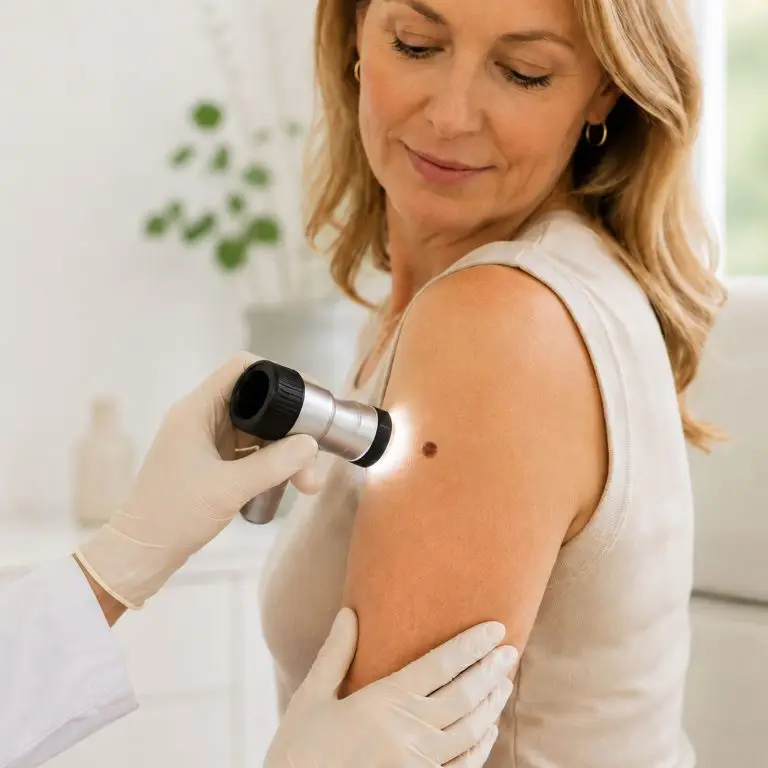
Your provider will begin by asking when the lesion appeared, whether it has changed and whether it causes symptoms. The area will then be examined closely. In some cases, a specialized magnifying instrument called a dermatoscope may be used to see structures beneath the surface of the skin.
When the diagnosis cannot be confirmed through examination alone, a skin biopsy may be recommended. During a biopsy, a small portion or all of the lesion is removed and sent to a laboratory for microscopic examination. The pathology results can determine whether the growth is benign, precancerous or cancerous and help guide any additional treatment.
Treatment depends on the type of lesion, its location, its size, the symptoms it causes and whether abnormal or cancerous cells are present. Some harmless lesions do not require treatment and can simply be monitored.
When treatment is appropriate, options may include:
A lesion should not be cut, burned, frozen or otherwise removed at home. Attempting to remove a growth without first identifying it can cause infection or scarring and may delay the diagnosis of a more serious condition.
Some benign lesions can be removed because they are noticeable, frequently irritated by clothing or jewelry or otherwise bothersome. Cosmetic removal may not be covered by medical insurance when the lesion is harmless and is not causing symptoms.
Your provider can evaluate the growth, explain the safest removal options and discuss whether the procedure is considered medically necessary or cosmetic.
Most skin growths are not dangerous, but it can be difficult to distinguish a benign lesion from skin cancer based only on how it looks. Early evaluation allows suspicious growths to be identified, biopsied and treated before they become more difficult to manage. If you have discovered a new or changing spot, schedule an appointment with The Dermatology Clinic. Contact us today to get scheduled.
We would love to get started on a solution that perfectly fits your needs.