Warts are common, noncancerous skin growths caused by certain types of the human papillomavirus or HPV. They can develop anywhere on the skin but frequently appear on the hands, fingers, feet, face and around the nails.
Warts may be rough, smooth, raised or flat. They are often flesh-colored but may also appear white, gray, brown or darker than the surrounding skin. Although most warts are harmless, they can become uncomfortable, spread or cause cosmetic concerns.
Warts develop when HPV enters the outer layer of the skin, often through a small cut, scrape, crack or other opening. The virus causes skin cells to grow rapidly, creating a visible growth.
Anyone can develop warts, but they are especially common in children and teenagers. People with weakened immune systems or conditions that affect the skin barrier may develop more numerous or persistent warts.
Several types of warts can affect the skin.
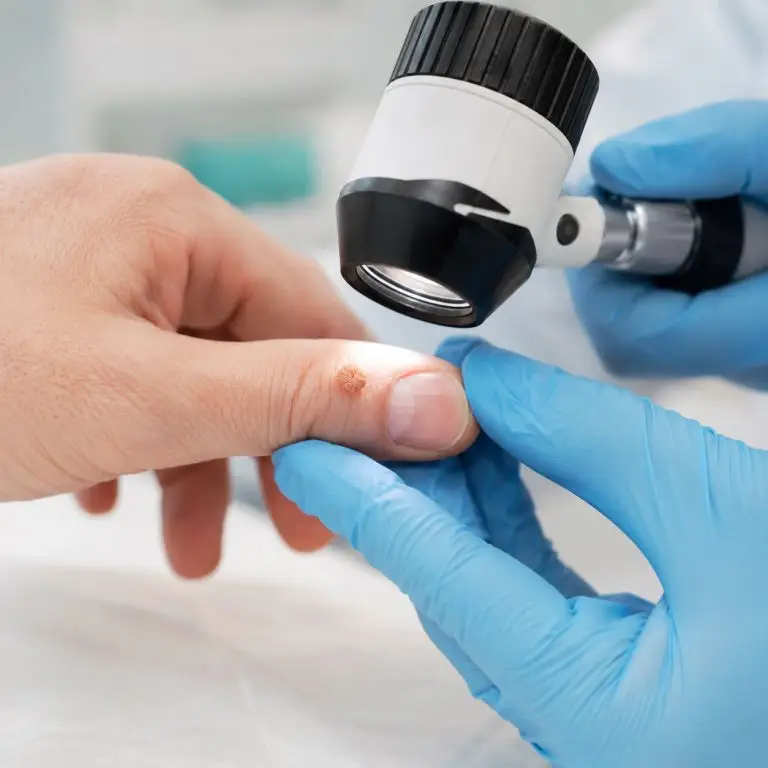
Because warts can resemble corns, calluses, skin tags or other growths, a dermatology evaluation may be needed to confirm the diagnosis.
Warts are contagious and may spread through direct skin-to-skin contact or by touching objects and surfaces that have come into contact with a wart.
The virus can also spread from one part of the body to another. Picking, scratching, biting or shaving over a wart may create small breaks in the skin that allow new warts to develop nearby.
Not everyone who comes into contact with HPV will develop a wart. A person’s immune response and the condition of the skin can affect whether a wart forms.
Some warts eventually disappear as the immune system clears the virus. However, this process can take several months or years. During that time, a wart may grow, multiply, become painful or spread to other people.
Warts may be more difficult to clear in people with weakened immune systems. Treatment can help remove visible warts more quickly, although additional treatments may be necessary if they return.
Treatment depends on the type, size, number and location of the warts, as well as the patient’s age and overall health.
Treatment options may include:
Plantar warts can be especially difficult to treat because pressure pushes the growth deeper into the skin. Multiple treatment sessions or a combination of office-based and at-home treatments may be recommended.
Do not cut, burn or attempt to surgically remove a wart at home. This can cause bleeding, infection, scarring and further spread of the virus.
You can reduce the risk of spreading warts by taking a few precautions:
Warts remain contagious while they are visible or can still be felt on the skin.
Schedule a dermatology evaluation if you are uncertain whether a growth is a wart or if it:
A professional evaluation can confirm the diagnosis and help prevent inappropriate treatment of a different type of skin growth.
Warts can be persistent, uncomfortable and difficult to treat without professional care. The Dermatology Clinic can evaluate the affected skin, determine the type of wart and recommend a personalized treatment plan to safely remove it and reduce its spread. Contact us today to get scheduled.
We would love to get started on a solution that perfectly fits your needs.