
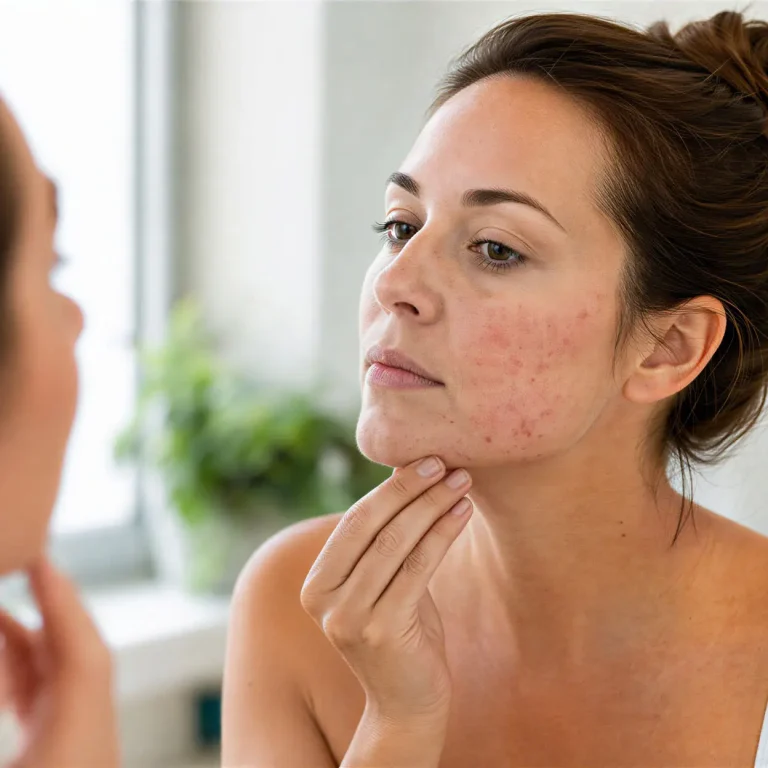
Acne is often associated with the teenage years, but breakouts do not always disappear after high school. Some people continue experiencing acne into their 30s, 40s and 50s, while others develop it for the first time as adults.
Adult acne may appear as occasional blackheads and small pimples or as recurring, painful breakouts that leave discoloration and scars. Although it can be frustrating, effective treatment options are available. Understanding what contributes to adult acne is the first step toward finding a routine and treatment plan that works for your skin.
Adult acne generally refers to acne that continues or begins after age 25. It can affect adults of any gender, although hormonal acne is especially common among women.
Some adults have persistent acne that began during adolescence. Others experience clear skin for years before breakouts return. Adult-onset acne develops in someone who did not have significant acne as a teenager.
Regardless of when it begins, acne forms when pores become clogged with excess oil and dead skin cells. Bacteria and inflammation within the clogged follicle can then contribute to red, swollen or painful blemishes.
Adult breakouts commonly develop on the:
Hormonal breakouts are frequently concentrated along the chin and jawline, but the location of a breakout does not prove that hormones are the cause. Skin products, friction, sweating, medications and other skin conditions can produce bumps in many of the same areas.
A dermatology evaluation can help determine whether the problem is acne or another condition that resembles it.
Adult acne rarely has one simple cause. Several factors may be contributing at the same time.
Hormone fluctuations can increase oil production and affect how skin cells behave within the pores. Breakouts may appear or worsen around:
Some people notice predictable breakouts along the chin or jawline before every menstrual cycle. Others develop deeper, painful nodules that remain beneath the skin for days or weeks.
Hormones may also be considered when acne occurs alongside irregular menstrual cycles, unwanted facial hair or thinning scalp hair. These symptoms do not automatically indicate a hormonal disorder, but they should be discussed with a healthcare provider.
Stress does not create every acne breakout, but it may worsen existing acne. Stress-related hormonal changes can increase inflammation and oil production. Stress may also affect sleep, eating habits and the consistency of a skin-care routine.
Trying to eliminate all stress is rarely realistic. Maintaining a simple routine during busy or difficult periods is often more helpful than repeatedly changing products.
Moisturizers, sunscreen, makeup, pomades, beard oils and hair products can contribute to clogged pores when their ingredients are too heavy for acne-prone skin.
Look for products labeled:
Even products with these labels can affect people differently. When breakouts begin after adding a new product, stop using it temporarily and allow enough time to determine whether the skin improves.
Hair products can also cause small bumps along the forehead, temples, hairline and back of the neck. This is sometimes called pomade acne.
Helmets, hats, chin straps, tight collars, athletic equipment, masks and frequently holding a phone against the face can trap heat and moisture while rubbing the skin.
This combination may contribute to acne mechanica, a form of breakout associated with pressure, friction and occlusion. Adults who exercise outdoors or work in hot, humid environments may be especially susceptible.
Clean equipment and anything else that frequently touches your face. Change out of sweaty clothing promptly and gently cleanse the skin after heavy sweating.
Some medications may cause or worsen acne-like breakouts. These can include certain corticosteroids, seizure medications, lithium and hormone-related treatments.
Do not stop a prescribed medication because you suspect it is affecting your skin. Discuss the timing and pattern of your breakouts with the prescribing provider or a dermatology professional.
Acne often runs in families. Having close relatives who experienced persistent or severe acne can increase your likelihood of developing it.
Genetics can influence oil production, inflammation, pore-clogging tendencies and the likelihood of developing acne scars.
Not every facial bump is acne. Several conditions can look similar but require different treatments.
Rosacea may cause persistent redness, flushing, visible blood vessels and acne-like bumps, particularly through the cheeks, nose and central face. Unlike ordinary acne, rosacea typically does not produce blackheads.
Folliculitis occurs when hair follicles become inflamed. It can produce clusters of itchy, tender or pus-filled bumps and may be associated with shaving, friction, sweating or microorganisms.
Perioral dermatitis often appears as small bumps and irritation around the mouth, nose or eyes. Heavy facial creams and topical corticosteroid use can sometimes contribute.
Shaving, waxing and naturally curved hair can lead to ingrown hairs and inflamed bumps, especially along the beard area, neck, underarms and bikini line.
Using random acne products on one of these conditions may increase irritation without addressing the cause. An examination is particularly helpful when the bumps itch, burn, spread quickly or do not respond to appropriate acne treatment.
Acne-prone skin does not need to feel dry, tight or irritated for treatment to be effective. Over-cleansing and aggressive exfoliation can damage the skin barrier and make breakouts more difficult to manage.
Wash acne-prone areas up to twice daily and after heavy sweating. Use a mild, non-abrasive cleanser with lukewarm water.
Apply the cleanser with your fingertips instead of a scrub brush, textured cleansing pad or rough washcloth. Scrubbing cannot remove a clog from inside a pore and may increase irritation and inflammation.
Frequently changing products makes it difficult to determine what is helping. It can also lead to excessive dryness, peeling and sensitivity.
Common over-the-counter acne ingredients include:
The FDA recognizes benzoyl peroxide and salicylic acid within specified concentrations as active ingredients in over-the-counter topical acne products. Products can still cause dryness, irritation or allergic reactions, so follow the label and introduce them gradually.
Do not combine several acne products immediately. Begin with one active ingredient and increase use according to the instructions and your skin’s tolerance.
Acne medication can dry and irritate the skin. A lightweight, non-comedogenic moisturizer can support the skin barrier and make it easier to use treatment consistently.
Oily skin can still become dehydrated. Eliminating moisturizer may increase tightness and irritation without reducing the factors causing acne.
Use a broad-spectrum, water-resistant sunscreen with an SPF of at least 30. Some acne medications increase skin sensitivity and sun exposure can make post-acne discoloration more noticeable.
Choose an oil-free or non-comedogenic sunscreen formulated for your skin type.
Popping a blemish can push inflammation deeper into the skin and increase the risk of:
Deep or painful blemishes should be treated rather than repeatedly squeezed.
Acne treatment requires consistency. Some products can temporarily reduce the redness of an individual pimple, but preventing new breakouts takes longer.
The American Academy of Dermatology recommends giving an acne treatment approximately six to eight weeks to produce noticeable improvement. More complete clearing may take several months. Constantly switching products can irritate the skin and prevent an otherwise appropriate treatment from having enough time to work.
Treatment should still be adjusted when it causes severe burning, swelling, blistering or a spreading rash. Mild dryness can be common with some medications, but significant reactions should not be ignored.
Treatment depends on the type of acne, its severity, your skin type, medical history and whether scarring or discoloration is developing.
A personalized plan may include:
Topical retinoids help prevent clogged pores and reduce inflammation. Other prescription options may include benzoyl peroxide combinations, topical antibiotics, azelaic acid or medications that address hormonal activity within the skin.
A short course of an oral antibiotic may be considered for widespread or inflammatory acne. Antibiotics are generally combined with other acne treatments rather than used alone.
Certain patients may benefit from hormonal options such as combined oral contraceptives or spironolactone. These medications are not appropriate for everyone and require a review of medical history, current medications and potential risks.
Oral isotretinoin may be considered for severe, scarring or treatment-resistant acne. It requires close medical supervision and strict pregnancy-prevention requirements because exposure during pregnancy can cause severe birth defects.
Depending on the patient’s needs, a treatment plan may also include chemical peels, professional extraction or procedures intended to address acne scars and lingering discoloration.
Current dermatology guidelines support several topical and systemic treatments, including benzoyl peroxide, topical retinoids, salicylic acid, azelaic acid, certain antibiotics, hormonal therapies and isotretinoin.
Pregnancy can change which acne treatments can be used safely. Retinoids, isotretinoin, spironolactone and certain antibiotics should not be used during pregnancy.
Anyone who is pregnant, trying to become pregnant or breastfeeding should speak with an obstetrician or dermatology provider before beginning an acne medication, including an over-the-counter product.
Consider scheduling an appointment when:
Early treatment can reduce inflammation, prevent new blemishes and lower the likelihood of permanent acne scarring.
Adult acne is not the result of poor hygiene and it cannot always be solved by washing more frequently or buying a stronger product. Hormones, genetics, inflammation, skin products, medications and environmental factors may all contribute. The best treatment is one designed for the type of acne affecting your skin.
If adult breakouts are persistent, painful or causing scars, schedule an appointment to learn which treatment options may be appropriate for your skin.
We would love to get started on a solution that perfectly fits your needs.