
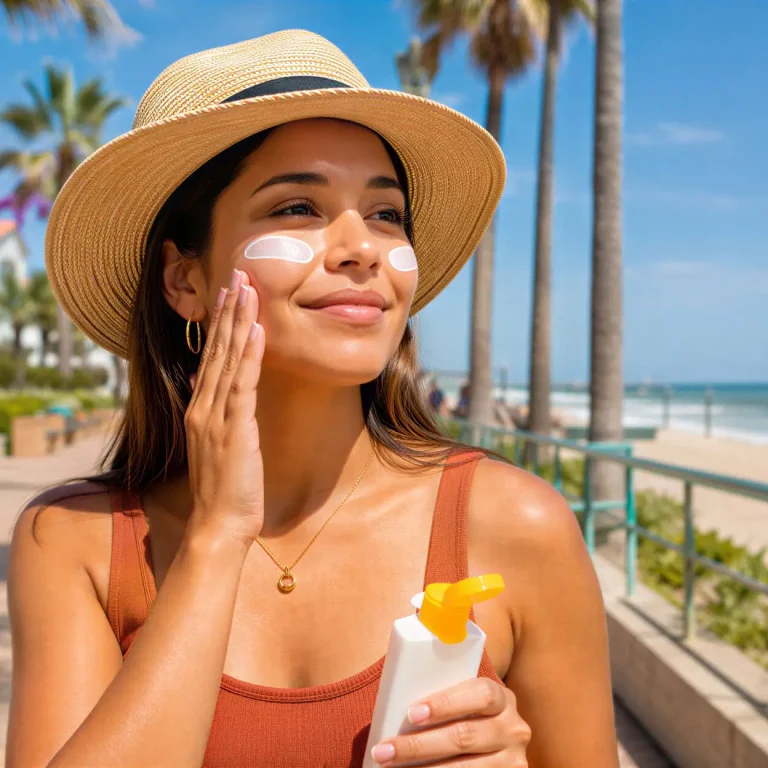
Warm weather is a familiar part of life on the Mississippi Gulf Coast. High temperatures, humidity, outdoor activities and frequent sweating can all influence how the skin looks and feels.
For some people, summer means increased oiliness or acne. Others experience heat rash, irritation, fungal infections or flare-ups of an existing skin condition. Understanding why these problems occur can make it easier to adjust your routine and recognize when professional treatment may be needed.
Humidity limits how efficiently sweat evaporates from the surface of the skin. As sweat, oil, sunscreen, makeup and environmental debris accumulate, the skin may feel sticky, congested or irritated.
Sweating is a normal and important cooling process. Problems are more likely to develop when moisture remains trapped against the skin by tight clothing, athletic equipment, skin folds or non-breathable fabrics.
Heat may also increase oil production in some people. This does not mean that the skin should be scrubbed aggressively or washed repeatedly. Harsh products can disrupt the skin barrier, increase irritation and sometimes make oily skin more difficult to manage.
Heat itself does not directly cause every acne breakout, but warm, humid conditions can create an environment in which breakouts are more likely.
Sweat can combine with oil, dead skin cells and products left on the skin. Friction from hats, helmets, chin straps, tight collars or athletic clothing can add another source of irritation. This type of pressure-and-friction-related breakout is sometimes called acne mechanica.
To reduce summer breakouts:
The American Academy of Dermatology recommends gentle cleansing and oil-free products for oily skin rather than harsh or alcohol-based cleansers.
Not every cluster of small bumps is acne. Folliculitis develops when hair follicles become inflamed. The bumps may be red, tender, itchy or filled with pus.
Heat, moisture and friction can contribute to folliculitis, especially beneath tight clothing or in areas that are shaved. Hot tubs and pools that are not properly maintained may also expose the skin to microorganisms that can cause certain forms of folliculitis.
Loose, breathable clothing can reduce friction. Showering and changing promptly after exercise may also help. The AAD specifically notes that tight clothing rubbing against sweaty skin in hot, humid weather can injure hair follicles and contribute to folliculitis.
Because folliculitis can resemble acne, insect bites and other rashes, persistent or spreading bumps should be examined rather than repeatedly treated with random over-the-counter products.
Heat rash occurs when sweat becomes trapped beneath the skin. It often appears as clusters of tiny bumps or small blisters and may cause prickling, stinging or itching.
Common locations include:
Moving to a cooler, less humid environment and keeping the area dry can help mild heat rash resolve. Heavy ointments may trap additional heat and moisture, so avoid applying thick products unless instructed by a healthcare professional.
Seek medical care if the rash becomes increasingly painful, develops drainage, is accompanied by fever or does not improve after the skin is cooled and dried.
Fungi tend to thrive in warm, moist environments. This is why athlete’s foot, jock itch, ringworm and yeast-related rashes may become more common during hot, humid weather.
Risk can increase when damp clothing or shoes remain against the skin for long periods. Shared locker rooms, pool decks and showers can also expose the feet to fungi.
Helpful habits include:
Ringworm is not caused by a worm. It is a contagious fungal infection that can spread through skin contact, animals, contaminated objects or shared surfaces. The fungi responsible tend to flourish during warm, humid conditions.
A circular rash is not always ringworm, and applying the wrong medication can change its appearance or allow it to spread. An examination can help confirm the diagnosis.
Some people associate eczema only with dry winter weather, but heat and sweat can also trigger itching and irritation. Salt left behind as sweat dries may sting already-sensitive skin. Fragrance, sunscreen, chlorine, repeated showering and damp clothing can add to the problem.
If your skin is sensitive:
A lighter moisturizer may be more comfortable during humid months, but even oily or acne-prone skin can need hydration. The goal is to find a formulation appropriate for your skin rather than eliminating moisturizer entirely.
Clouds, humidity and brief outdoor trips do not eliminate ultraviolet exposure. Apply broad-spectrum, water-resistant SPF 30 or higher to uncovered skin. Reapply according to the product directions and after swimming or heavy sweating.
Shade, wide-brimmed hats, sunglasses and sun-protective clothing can reduce the amount of sunscreen needed on covered areas and provide more consistent protection during long periods outdoors.
Schedule a dermatology appointment when:
Trying several treatments at once can irritate the skin and make the original problem harder to identify.
Summer skin care does not need to be complicated. Gentle cleansing, breathable clothing, prompt removal of sweaty garments, appropriate moisturizer and daily sun protection can prevent many common problems.
When heat-related skin concerns continue despite these adjustments, The Dermatology Clinic can help identify the cause and create a treatment plan based on your skin type, symptoms and daily routine. The practice provides medical dermatology care throughout the Mississippi Gulf Coast.
If you have noticed skin changes, schedule an appointment for a professional skin evaluation.
We would love to get started on a solution that perfectly fits your needs.